
Protect Your Freedom With a Local Criminal Lawyer
A criminal charge can affect far more than the immediate court case. It may put your freedom, reputation, employment, family relationships, and future opportunities at risk, while unfamiliar legal procedures can make each decision feel consequential. Understanding your rights and the steps ahead is essential when responding to an investigation, arrest, or formal accusation. The decisions made early in a case may affect later options, so clear information matters from the beginning. A local criminal lawyer can explain the process, assess the evidence, and help you make informed decisions while protecting your legal interests. A local criminal lawyer can also help you understand which matters need immediate attention.
Understanding Charges and Legal Exposure
Criminal allegations range from misdemeanors to serious felonies, each with different potential consequences. The charge, alleged facts, prior record, and applicable law can affect penalties and available defenses. A local criminal lawyer can explain what prosecutors must establish and what the accusation may mean for your case.
An allegation is not the same as a finding of guilt. The prosecution must prove the charge under the applicable legal standard, while the defense may challenge evidence, witness accounts, or legal procedures. Early review can identify deadlines and important decisions. Understanding the process cannot guarantee an outcome, but it can help you approach the case with realistic expectations.
Protecting Your Rights During an Investigation
An investigation may involve questioning, searches, records requests, or statements from people connected to an incident. Events at this stage can affect later proceedings, so understand your rights before responding to requests that could expose you to criminal liability. An attorney can explain relevant protections and advise you about communications with investigators, including whether a warrant or court order applies. Details matter at every stage.
If you have been arrested or expect charges, timely advice matters. Statements made under pressure may be interpreted in unexpected ways. A local criminal lawyer can communicate with authorities when appropriate and explain the possible consequences of different choices. Early counsel may also have more time to preserve records, identify witnesses, and review the sequence of events.
Examining Evidence and Identifying Defenses
A criminal case often depends on how evidence was collected and interpreted. Police reports, recordings, digital records, physical evidence, and witness statements may each tell only part of the story. A local criminal lawyer can review available materials, compare accounts, and identify inconsistencies or gaps. This helps assess whether the prosecution's theory is supported or important facts remain disputed.
Defenses depend on the charge and case facts. Potential issues include mistaken identity, unreliable testimony, questions about intent, or whether law enforcement followed required procedures. Evidence may be challenged through a formal motion, or the defense may question witness credibility and the interpretation of events. A careful assessment grounds arguments in the record and applicable law.
Preparing for Hearings and Court Deadlines
Criminal proceedings involve deadlines, filings, and courtroom procedures that can be difficult to navigate without legal experience. Missing a hearing or court order may create complications. Counsel can explain each appearance, review documents, and prepare you for decisions that may arise. Depending on the case, hearings may address release conditions, evidence disputes, scheduling, or other procedural questions. Knowing the purpose of an appearance helps you understand what is being decided and what may follow.
Preparation may include reviewing testimony, organizing records, assessing motions, and explaining the roles of the judge, prosecutor, and defense. Your attorney can identify relevant information and explain what to expect at each stage. Clear preparation can reduce confusion and help you participate in decisions about your defense. Each stage has distinct requirements.
Evaluating Plea Offers and Trial Options
Some cases end through negotiated agreements, while others proceed to trial. A plea offer may involve a reduced charge or sentencing recommendation, but consequences can extend beyond the immediate penalty. Before deciding, understand the rights you may waive, possible outcomes, and potential effects on employment, licensing, immigration status, or future opportunities. A local criminal lawyer can explain options in light of the evidence and your priorities.
A trial involves decisions about evidence and witnesses. The appropriate approach depends on the facts, law, and risks of each option. An attorney can discuss strengths and weaknesses in the prosecution's case, possible defenses, and the uncertainty of trial. Decisions should follow a clear explanation of alternatives, not pressure or unrealistic promises.
Understanding the Consequences of a Criminal Record
A criminal case may have effects long after court proceedings end. Depending on the offense and applicable law, a record can affect employment, professional licensing, housing, education, and other opportunities. According to the National Conference of State Legislatures, roughly one in three American adults has a criminal record, showing how widely justice-system involvement may affect future prospects. However, a record's meaning varies, and an arrest does not always mean a conviction.
A lawyer can explain possible collateral consequences before you make important decisions. Depending on the jurisdiction and outcome, record sealing or expungement may be available, but eligibility rules differ. A local criminal lawyer can explain whether relief may apply and what the process involves. Some jurisdictions also provide limited certificates or other procedures that address specific consequences, but the requirements are not uniform. Advice should be based on the rules that apply to the particular record and the place where it was created.
Coordinating Communication and Case Strategy
A criminal case may involve communication with law enforcement, prosecutors, court staff, witnesses, and other agencies. Legal guidance can organize these exchanges and keep responses appropriate to the stage of the proceedings. Your attorney can explain important developments and how new information may affect the defense, especially in cases involving multiple allegations or extensive records. The details can change quickly.
Understand how your legal team will provide updates and discuss decisions. Timely communication lets you ask questions, share relevant information, and prepare for next steps. A
local criminal lawyer familiar with area court procedures can explain local practices while evaluating your case's specific facts. No attorney can guarantee a result, but clear strategy and regular updates can help you stay informed.
Choosing Counsel for Your Criminal Case
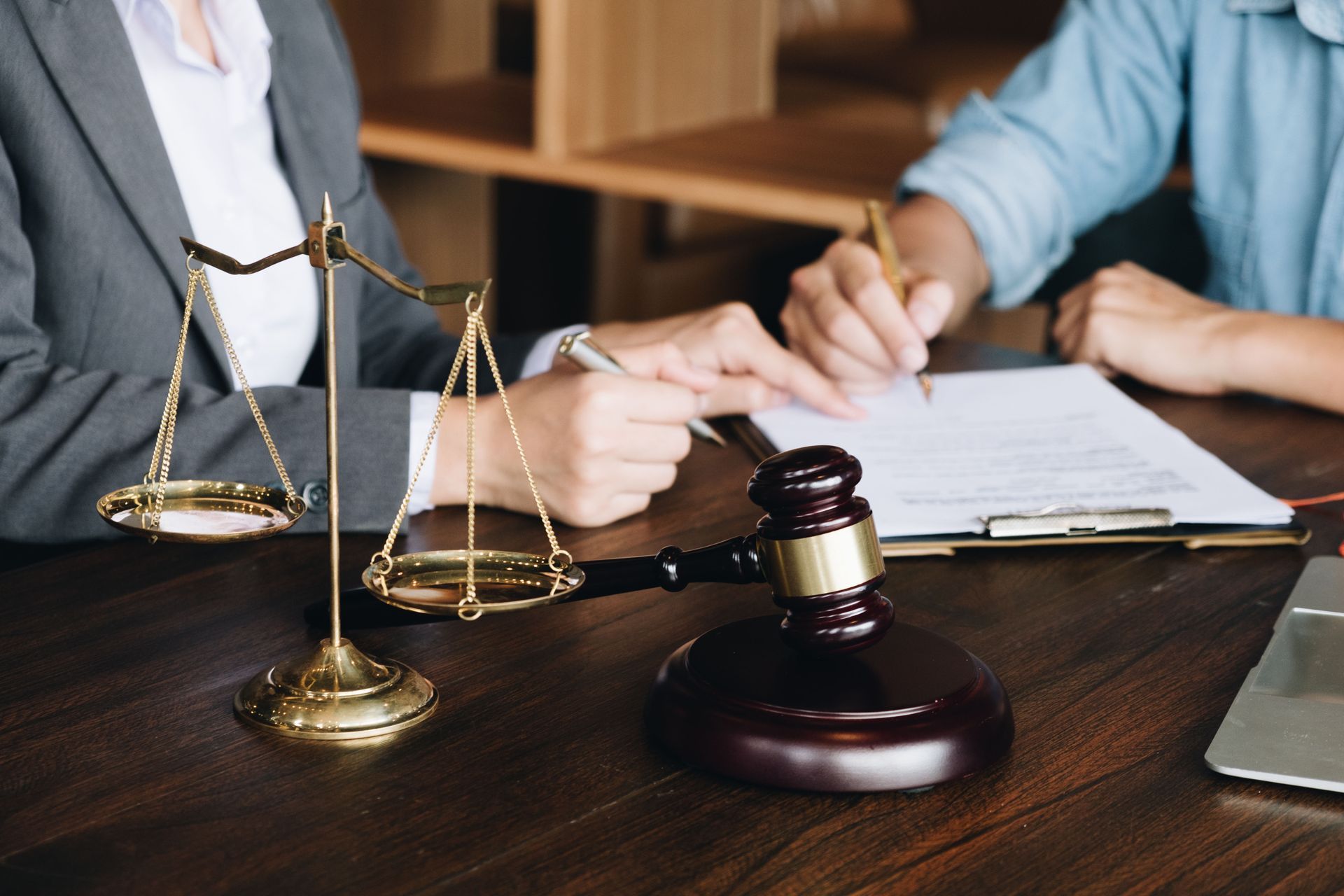
Choosing an attorney is an important decision when your liberty and future are at stake. Consider the lawyer's experience with the charge, ability to explain legal concepts, and willingness to understand your concerns. You should be able to discuss evidence, strategy, fees, and communication expectations clearly. A productive attorney-client relationship depends on candid discussion and shared expectations. It is reasonable to ask who will handle routine communications, how quickly questions are typically answered, and how major decisions will be discussed. Understanding these practical details can help you stay involved without losing sight of the legal priorities.
At a consultation, provide accurate information and ask which documents may help evaluate the case. Your lawyer can explain immediate priorities, procedural steps, and issues needing investigation. Avoid generalized predictions because outcomes depend on specific facts and applicable law. Careful selection of counsel can help you move forward with clearer expectations.
Facing criminal allegations can be intimidating, but you do not have to navigate the legal process without guidance. At the Law Office of Holmes, Moore, Waldron, & Parrish, we help clients understand the charges they face, evaluate the available legal options, and prepare for the decisions ahead. We can review the details of your situation, explain the relevant procedures, and work to protect your rights throughout the case. Contact the Law Office of Holmes, Moore, Waldron, & Parrish to discuss your concerns and learn how our team can assist with your defense.






Share On: